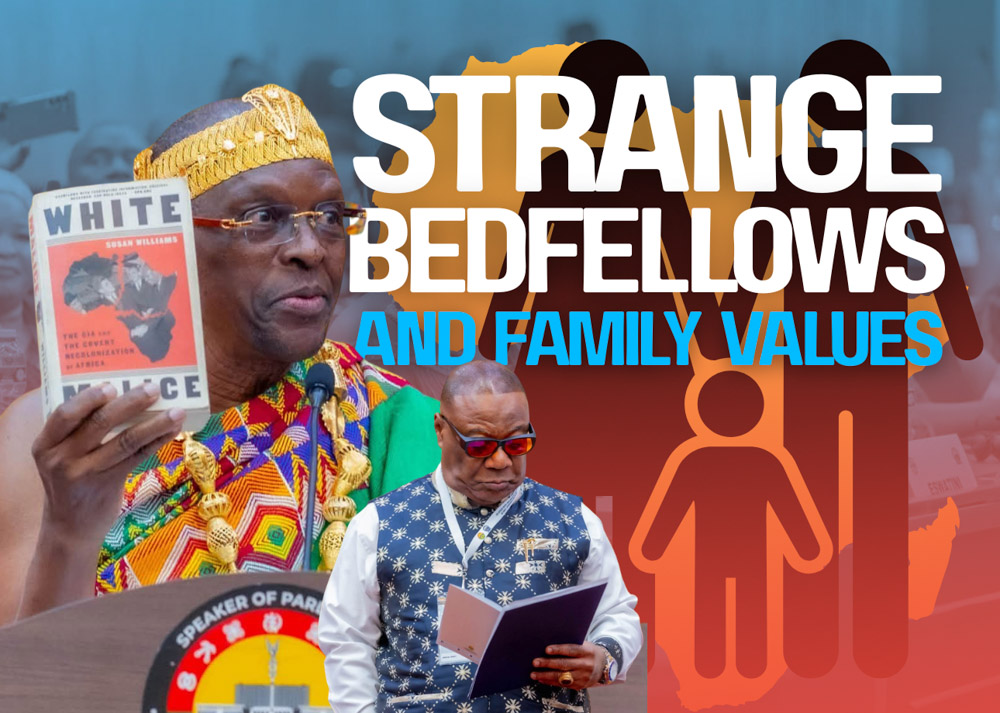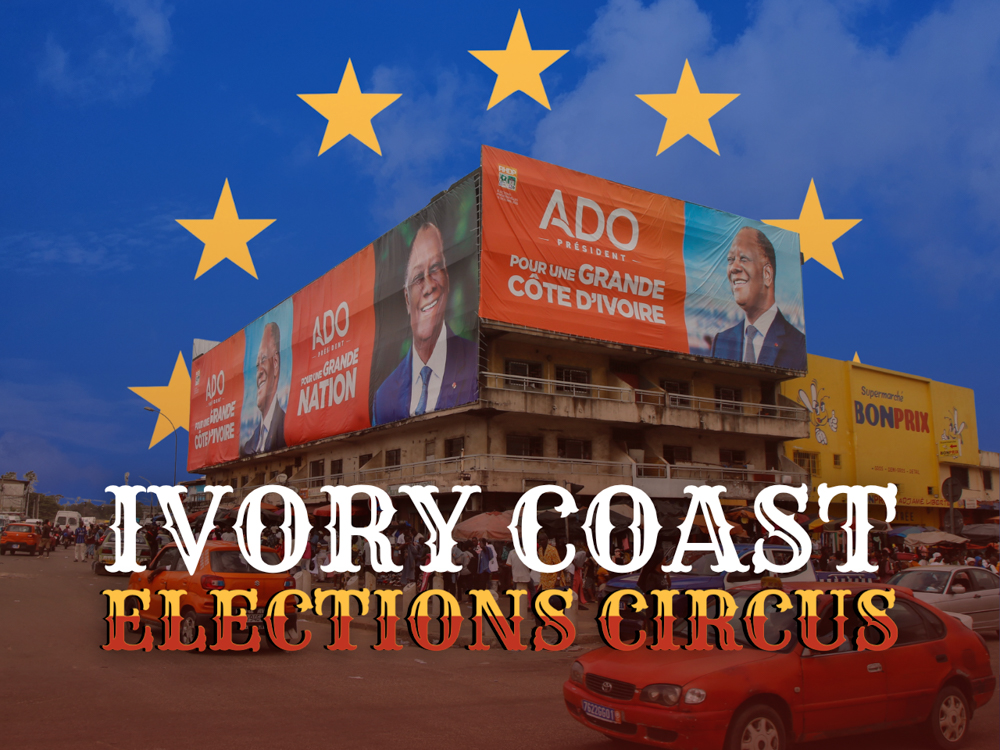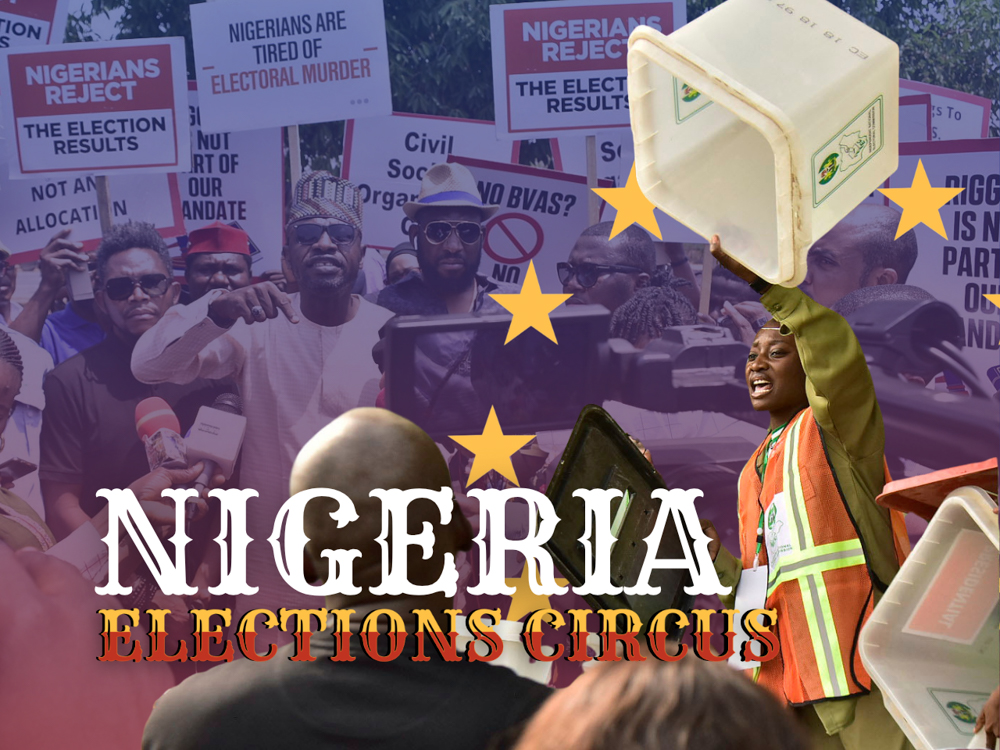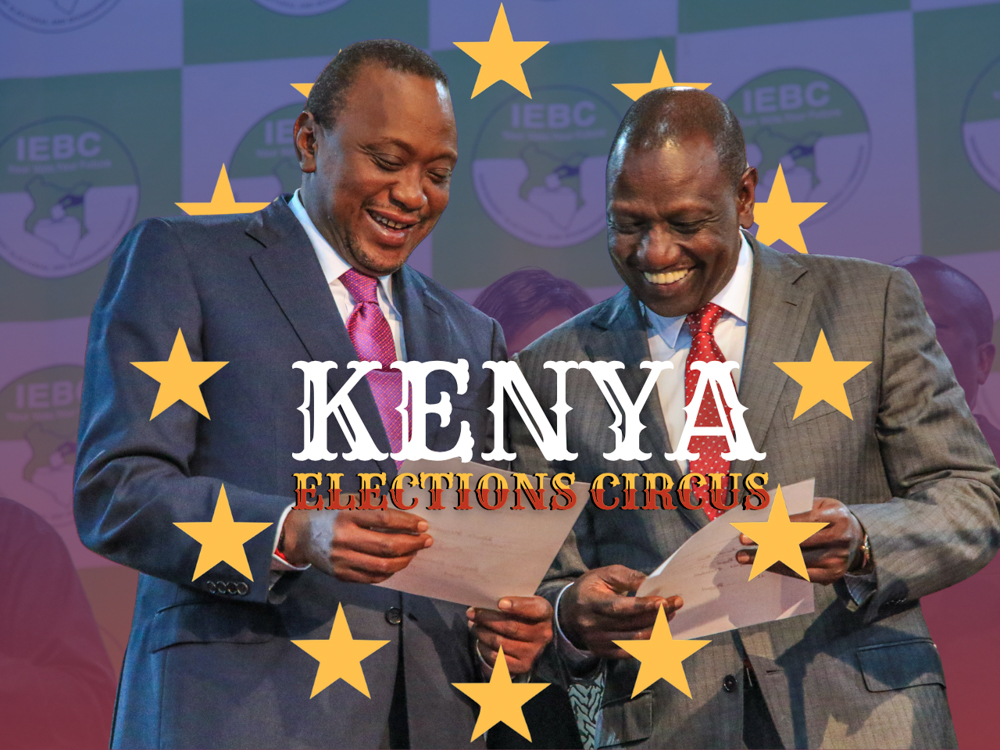
African audiences’ responses to our “Elections Circus” publication — which detailed how more than €100 million of EU taxpayers’ money, earmarked for free and fair elections, has largely benefited ruling elites rather than supporting meaningful democratic change — have been overwhelming. Hundreds of readers accessed the online link as soon as it went live, and print copies sold in significantly higher numbers than usual. In Côte d’Ivoire, three online media outlets and one print newspaper published all five country chapters, while on the day of publication, the government also disbanded its electoral commission. In Kenya and Nigeria, high-quality independent media co-published the work, reaching millions. Even Mozambique, which was not included in the project, chose to publish it.
In contrast, the EU has remained silent throughout. EU delegations did not respond to NAIRE journalists’ requests for comment; the EU in Brussels did not respond to emailed questions; and no response was provided after publication, either to ZAM or to the African media partners that co-published the investigation. The EU’s only response was to Follow the Money, which reported on the investigation. “We actually paid 200 million, not 100,” it said (contradicting figures previously provided to ZAM). It added that it supports “local elections observation, civic education and awareness campaigns,” as well as “relevant authorities” such as electoral commissions. In short, it maintains that all is well and that no changes are necessary.
Our investigation showed that the EU’s “business as usual” approach contributes to voter apathy and even anger among electorates that are repeatedly given workshops on how to vote, while many pro-democracy activists who are often pursued by oppressive governments are left unsupported. Such anger may be ill-advised in a context of looming rebellion against corrupt and misgoverning leaders in several of the five countries, especially in Côte d’Ivoire, where Islamist rebels are on the doorstep, and in Nigeria, where they continue to gain ground. (Mali, also in West Africa, was not part of our investigation, but according to international news reports, Islamist militant groups are on the verge of taking power there.) In the opinion piece below on Nigeria’s Islamist militants’ violent campaign against the West, Theophilus Abbah outlines how dangerous this ostrich-like behaviour is.
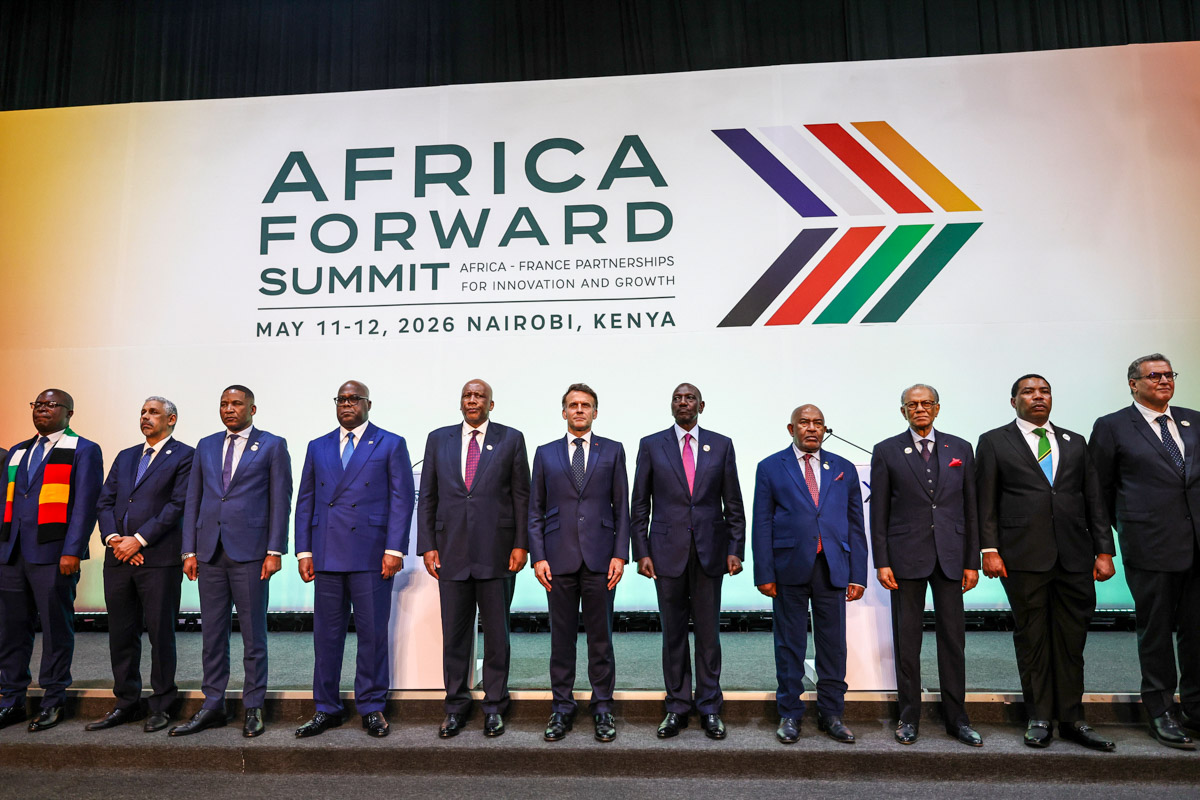
Another example of European tone-deafness was French President Emmanuel Macron’s recent, deeply misguided conduct at the France–Africa summit in Nairobi, Kenya. While Kenyans outside were marching against imperialism and calling for the removal of Macron’s co-host, President William Ruto, Macron told his Kenyan audience to shut up and be quiet.
There are still many journalists and pro-democracy activists across Africa who remain willing to engage in dialogue. Why, then, does the EU continue to bury its head in the sand?
ZAM team
Call to Action
ZAM works towards a new equal relationship between Africa and Europe. Contribute to our mission by donating.