A new pan-African arts magazine documents how art across the continent is routinely subjected to abuse, attacks, and other violations. However, despite these growing pressures, artists continue to persist and thrive.
As a Nigerian journalist, I have witnessed how the shrinking civic space continues to limit freedom of expression across my country. From investigative journalists navigating fear, censorship, and backlash from both state and non-state actors, to women journalists facing coordinated online attacks, to storytellers being arbitrarily arrested, and songs being banned from broadcast media platforms, speaking truth to power has become a visibly risky act.
As the “Giant of Africa,” as Nigeria is often called, continues to grapple with persistent attacks on free expression, it is perhaps not surprising that other countries across the continent also wage war on dissenting voices. The Pan Africa Network of Artistic Freedom VOICES Issue 1 Introducing PANAF Voices Magazine documents how art across Africa is routinely subjected to abuse, attacks, and other violations. However, despite these growing pressures, artists continue to persist and thrive.
From Zimbabwe to Nigeria, Uganda, South Africa, Sudan, Kenya, and Ethiopia, and across an overview of East African countries, PANAF’s inaugural issue succeeds not only as a literary collection but also as a strategic intervention in Africa’s increasingly constrained civic and artistic spaces.
Muzzling critics
The magazine provides an overview of how political, social, and economic factors shape artistic freedom across the continent. This approach creates a chorus of experiences that reveals both differences and unsettling similarities. It enables readers to develop a deeper, more consolidated understanding of key developments in artistic freedom across Africa. Human rights defenders, particularly those working on freedom of expression, will find the magazine useful as an advocacy tool, offering in-depth personal accounts and a compilation of violations of artists’ rights across the continent.
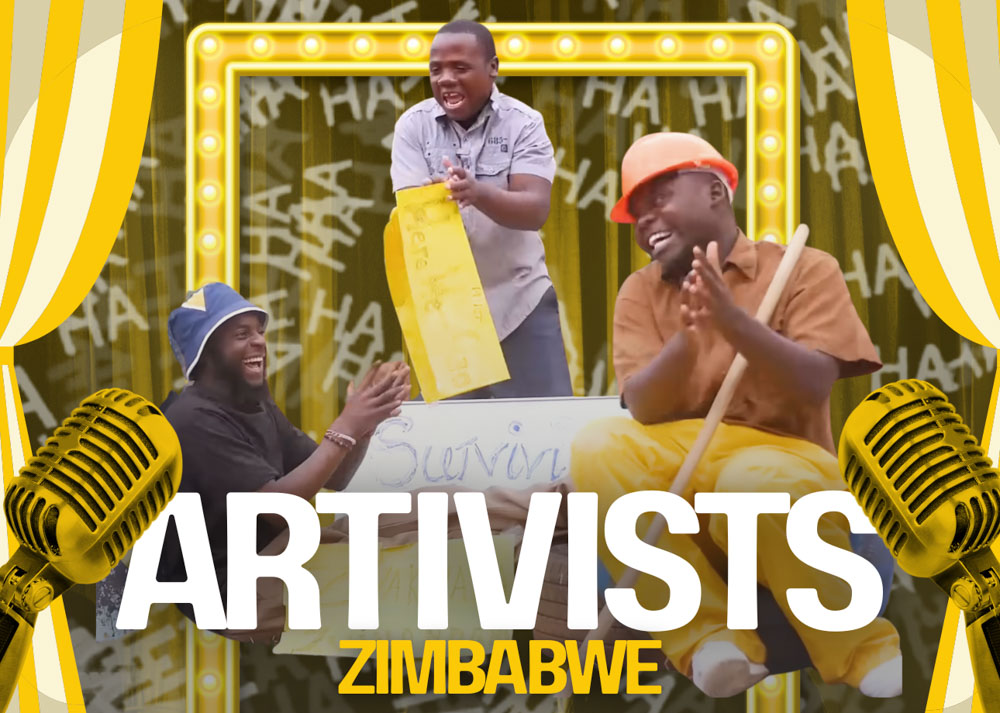
Reading the first part of the magazine, written by Zimbabwean writer and actor Philani A. Nyoni, I was struck by the extent to which state actors can go in their efforts to muzzle critics. Artists in that country have been arrested for “undermining the authority of the president” through their artworks. Owen Maseko, a visual artist, was allegedly found in possession of 28 grams of cannabis while travelling to Ireland for an exhibition, which was puzzling given that he was not known to be a drug user. While Maseko’s work had led to his arrest and incarceration, a reproduction of it was later seen in a kitchen in Sweden, with Nyoni writing that “there was something healing in seeing that piece of canvas in that Scandinavian kitchen; even while we are being silenced, our story matters.”
“We are only servants of the fastest thing in the universe: light”
Just as Nyoni mentioned, many readers would wonder how telling stories becomes a crime. “And yes, the irony is that the story ends up writing itself, for we are not conjurors. To fight us is to fight the mirror. We are only servants of the fastest thing in the universe: light, much faster than bullets.”
From Kenya, magazine editor Darius Okolla agrees, speaking on how the arts shaped protest spaces in 2024. “For Kenyan Gen Zs, artistic freedom became the primary language of dissent,” he says.
Networked harassment
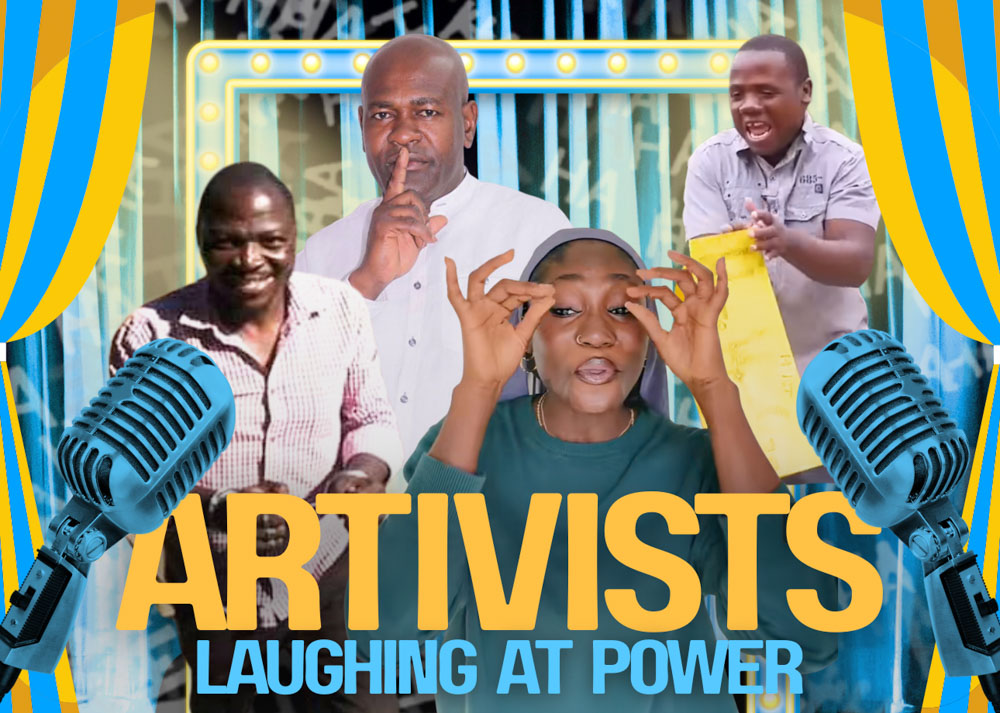
The section on my country, Nigeria, feels painfully familiar. Humour is Not a Joke captures the fragility of public tolerance for satire and dissent. Tope Olatidoye’s movement from Hubert Ogunde and Wole Soyinka to Fela Kuti, the murals of the #EndSARS protests, chants, and digital censorship reflect what many storytellers continue to navigate today: a shift from formal censorship to networked harassment, trolling, and legal intimidation. The publication shows that repression has evolved. It is no longer only the knock on the door; it is also the mob in the comment section, the threat in the group chat, and the chilling effect of being constantly watched online. In the worst cases, public opinion is deliberately turned against artists through ostensibly moral campaigns.
“Landlords can be persuaded to evict them”
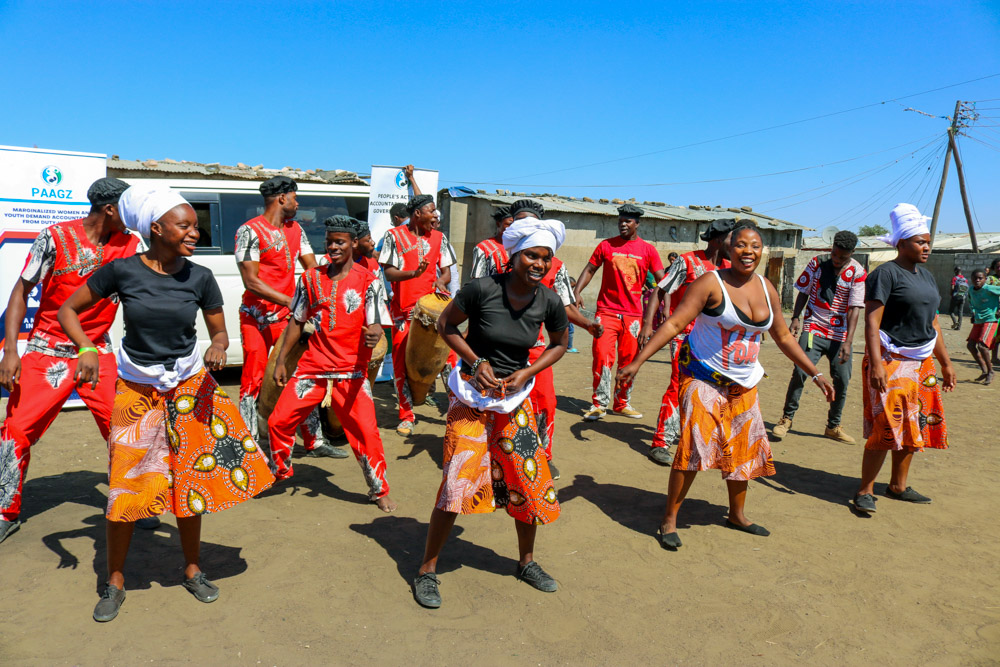
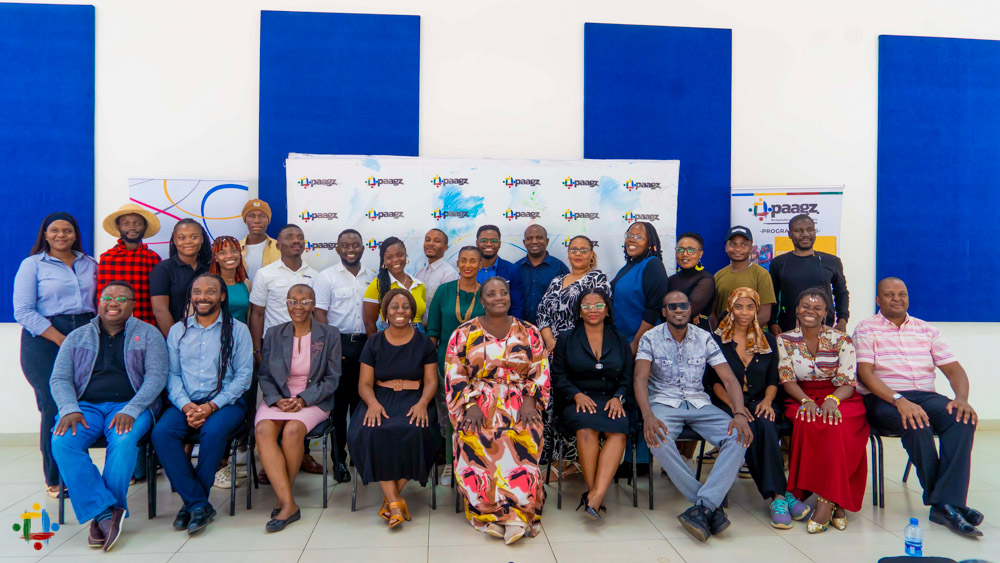
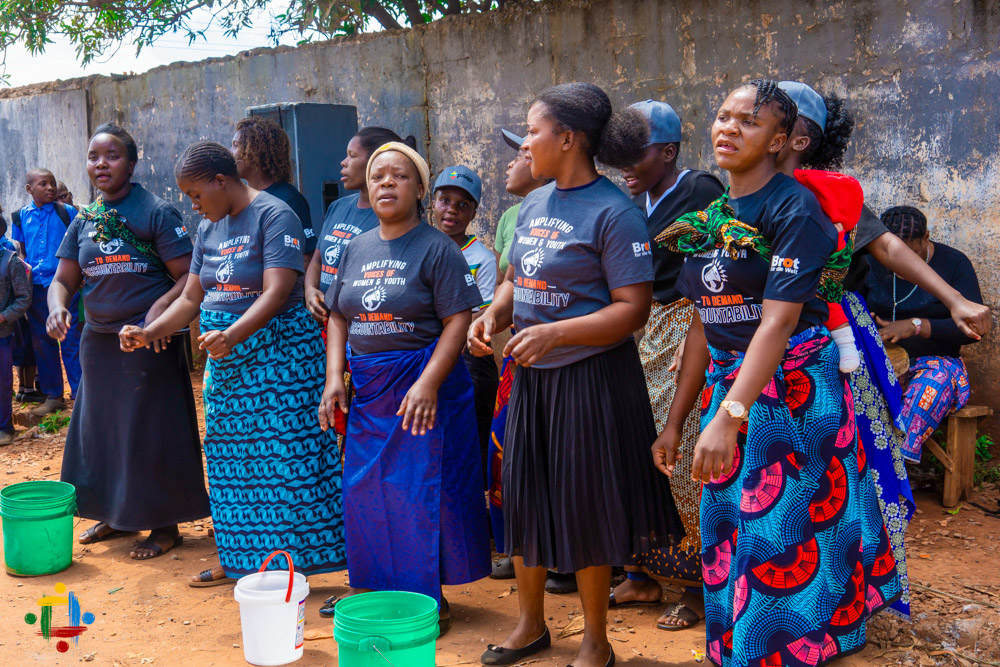
Right after the Nigeria section, the magazine turns its focus to PAAGZ, a partner in Zambia. Images of their activities, along with displays of selected artworks, provide a visual pause for readers before the narrative shifts into the harrowing realities faced by artists in Uganda. There, Kalundi Serumaga explains how anyone who opposes the government of the day can be barred from media outlets, even when these are not privately owned. “In extreme cases, landlords can be persuaded to evict them from their homes and business premises,” he says in the article. “Media houses themselves can be banned, or their ‘troublesome journalists’ harassed or dismissed.”
Serumaga further argues that the Ugandan government appears keen to suppress conversations and gatherings that seek to engage with questions of governance. He explains that, as a result of a divide-and-rule strategy, “many personalities in Uganda (now) wear more than one hat, with prominent journalists also being politicians, musicians being opinion leaders, and politicians becoming entertainers.” At a certain point, he narrates, “new bodies were hurriedly set up to represent ‘wiser’ artists. In fact, some singers were even officially appointed ‘Presidential Advisors’.”
In a subsequent article, Joel Mukisa explores how artistic repression has become regional across East Africa. Building on the realities in Uganda, he notes how leading newspapers in Tanzania have been banned from publishing, and how journalists and activists have been beaten and sexually harassed by state authorities. However, it is not all bleak: Mukisa also examines how queer artists are defying the odds to express themselves and how “young, vibrant artists have evolved to invent new and bold forms of expression to surmount state censorship.”
Art as a witness
The magazine then turns to other corners of the continent. From South Africa, Sanya Osha explains that female artists are not only harassed and abused because of their work but also marginalised by a patriarchal system that renders them secondary figures. He recounts how any engagement with female emancipation has historically faced significant obstacles and was often prevented from reaching public dissemination. In Sudan, economic hierarchies and social status shape the production of art; when individuals cannot access formal art education or exhibition spaces, their capacity for expression is limited or effectively denied from the outset. Authorities also frequently suppress political activism by artists who use murals, poetry, songs, and performance to articulate their views, documenting resistance by painting over murals and harassing performers. Soreti Kadir in Ethiopia notes that discussing certain topics in public is considered taboo in his country.
Theatre stages what official history tries to bury
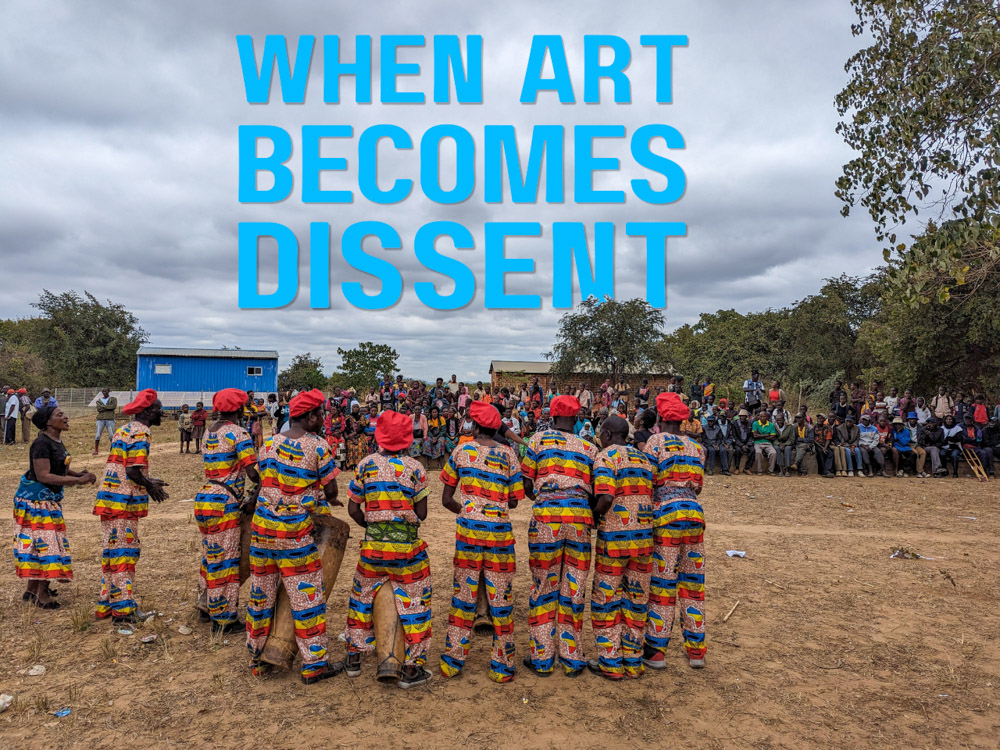
If there is one thing this issue does exceptionally well, it is its insistence on memory. Across its pages, art is treated as a witness. Murals remember blood. Songs preserve outrage. Theatre stages what official histories try to bury. Cartoons puncture the arrogance of power. In that sense, the magazine performs the same function it celebrates: it remembers what institutions often ask us to forget. The illustrations accompanying each section are excellent, vividly reflecting the realities described by each contributor.
The interview section with Chief Nyamweya on “Art and AI” offers readers a moment of pause, allowing them to enjoy the conversation from a creator’s perspective. By easing the tension generated by the harrowing accounts of repression and abuse described in the other articles, it turns toward the future and considers how AI may shape it. Chief Nyamweya remains unconvinced: “AI has a lot to offer, but the creativity of the artist might be hindered. (…) ‘I was spending more time training the AI – translating my thoughts into perfect text prompts – than if I had simply picked up a pencil and drawn the storyboards myself.’”
Wanting more
My only point of criticism of the inaugural magazine issue is that, in its selection of countries, the reader may be led to believe that these are the only places where freedom of expression is gagged. Sadly, this is not the case; a sentence in the editorial might have better highlighted the fact that this is a continent-wide scourge. Nevertheless, the magazine’s collection shows, above all, that art and artistic expression cannot be suppressed. As the editor writes, “art — just like water — finds its own level.” This remarkable inaugural issue of PANAF therefore leaves one wanting more.
Blessing Oladunjoye is a Nigerian journalist and the Publisher of BONews Service, an online news platform focused on women, persons with disabilities, and children. She can be contacted at:
Call to Action
ZAM works towards a new equal relationship between Africa and Europe. Contribute to our mission by donating.